
Palliative & Compassionate Journeys
Supporting the Journeys That Matter Most
For people receiving palliative or end‑of‑life care, travel is about more than reaching a clinical appointment—it is about comfort, connection and making the most of precious time. Advanced Flourish Transportation offers sensitive, planned non‑emergency journeys so individuals can safely visit hospices, hospitals, meaningful places and family events with dignity and reassurance.
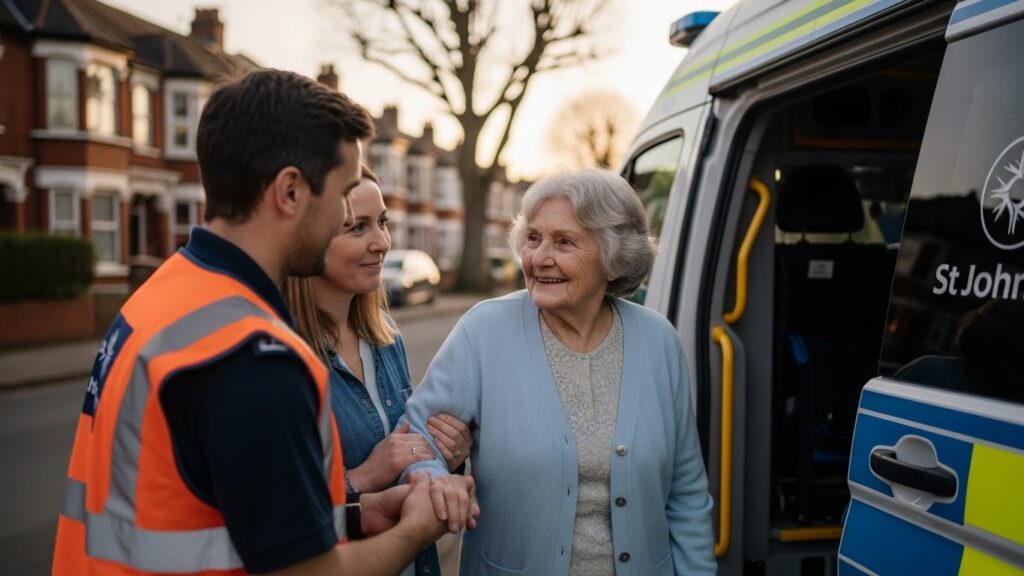
Who This Service Is For
This service is for adults and young people who:
- Are receiving palliative or end‑of‑life care at home, in a hospice, hospital or care home.
- Need supported transport to attend important appointments, see loved ones or visit special locations.
- Require wheelchair, stretcher or specialist assistance to travel comfortably.
- Benefit from calm, predictable journeys with staff who understand palliative‑care priorities such as comfort, communication and respect.
Families, hospices, community palliative‑care teams and care homes often arrange these journeys together with us.
Types of Journeys We Support
Guidance on hospital discharge and palliative care stresses that people should be supported to make choices about where they are cared for and how they spend their time. We can help with:
- Travel between home, hospice and hospital for planned care.
- Visits to important places such as a favourite park, seaside location, place of worship or family home.
- Attendance at key family events like weddings, birthdays, christenings or other gatherings.
- Final moves to a preferred place of care where this has been agreed with the person and their clinical team.
Each journey is individually risk‑assessed and planned around clinical advice, comfort needs and the person’s wishes as far as they can be expressed.
Our Approach: Comfort, Dignity and Choice
Palliative‑care best practice highlights the importance of listening to what matters most to the person and balancing symptom control with quality of life.
In our transport service, this means:
- Prioritising comfort in seating or stretcher positioning, with extra cushions or adjustments where appropriate.
- Allowing additional time so there is no sense of being rushed during pick‑ups, goodbyes or arrivals.
- Using gentle, honest communication and checking regularly how the person is feeling during the journey.
- Respecting cultural, spiritual and personal preferences, including clothing, music and who travels with them.
Where appropriate, we coordinate with hospice or community teams to align our approach with wider care plans.
Working With Families and Care Teams
Families and carers are central to palliative journeys, and national guidance emphasises the need to support them as well as the person receiving care.
We can:
- Involve relatives, carers and spiritual or cultural supporters in planning the journey.
- Arrange for family members or carers to travel alongside the person where safe and possible.
- Communicate with hospices, hospitals and community nurses about timing, access and any special arrangements needed at each end.
- Offer a calm, respectful presence on the day, recognising the emotional weight of these trips.
How to Arrange a Palliative or Compassionate Journey
You can start by contacting our team via phone or the Book a Journey form, indicating that this is a palliative or compassionate request. Many such journeys are planned jointly by families, hospices, community teams and commissioners, and we are used to working within those arrangements.
When you get in touch, it helps to share:
- The purpose of the journey and any time‑sensitive elements (for example, a specific event time).
- Current location and destination, including access information.
- Mobility, equipment and comfort needs.
- Who will travel with the person and any spiritual or cultural considerations.
Our team will respond sensitively, outline what is possible, and provide a clear plan and quote or commissioning pathway.