
Mental Health & Complex Needs Transport
Trauma‑Informed Journeys for People Who Need More Support
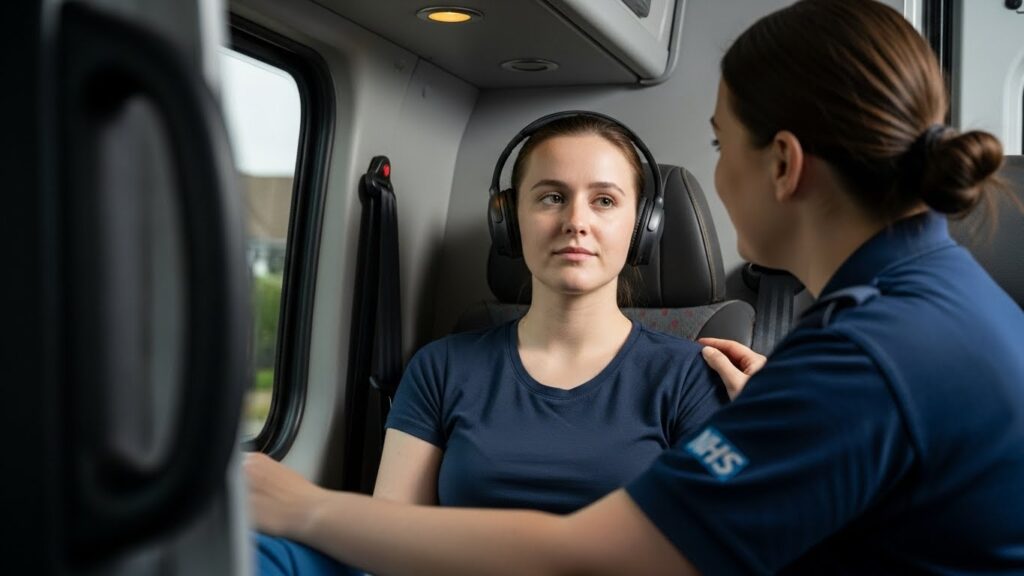
Some people find travel particularly challenging because of mental health conditions, learning disabilities, autism or behaviours that may challenge. Advanced Flourish Transportation provides structured, trauma‑informed non‑emergency journeys so that getting to appointments or changing settings feels safer and more predictable. Services like ours play an important role in helping people access care while minimising distress and risk.
Who This Service Is For
This service is designed for children, young people and adults who:
- Live with mental health conditions such as severe anxiety, psychosis, depression or personality disorder.
- Have learning disabilities, autism or cognitive impairments that affect communication, understanding or sensory processing.
- Sometimes become distressed, disoriented or agitated when routines change or environments are noisy or unfamiliar.
- Need coordinated support from families, carers and professionals during transfers between services.
Families, community mental health teams, learning disability services, crisis teams and care homes frequently use this service for planned, non‑emergency journeys.
Types of Journeys We Support
In line with how non‑emergency patient transport is used for vulnerable groups, we support a range of planned mental health and complex‑needs journeys.
Examples include:
- Mental health outpatient reviews, psychological therapy and community team appointments.
- Transfers between inpatient wards, step‑down units, crisis houses and community settings.
- Planned moves between residential placements, supported living and family homes.
- Specialist assessments, learning disability clinics and autism diagnostic services.
Each journey is risk‑assessed in advance, drawing on information from care plans, crisis plans and multidisciplinary teams where available.
Our Approach: Safety, Dignity and De‑escalation
Evidence and guidance highlight the importance of calm, respectful approaches, good communication and staff training when supporting people with mental health needs and complex behaviours.
Our teams:
- Use clear, simple language and take time to explain what will happen before and during the journey.
- Plan routes and timings to reduce waiting, noise and sensory overload wherever possible.
- Are trained in de‑escalation, recognising early signs of distress and using non‑restrictive strategies wherever safe.
- Work alongside existing carers and professionals, following agreed plans rather than improvising in crisis.
Restraint is not a routine feature of this service; where specific risk‑management measures are required, these are agreed in advance with responsible clinicians and commissioning bodies.
Working With Families, Carers and Professionals
National guidance and carer organisations stress that families and support networks are central to safe and effective care for people with mental health needs and learning disabilities.
When planning a journey, we will:
- Invite information from families, carers and key workers about triggers, calming strategies and communication preferences.
- Encourage appropriate escorts to travel with the person if this improves safety and understanding.
- Coordinate timings and handovers with ward staff, crisis teams, community practitioners and social workers.
This collaborative approach helps ensure that transport fits within wider care plans rather than standing apart from them.
How to Arrange Mental Health & Complex Needs Transport
Because these journeys often involve higher levels of risk or complexity, we ask for more detailed information at booking. Many areas expect such journeys to be commissioned or authorised by clinical teams, social care or local authorities, and we can work within those frameworks.
When you contact us, please be ready to share:
- Current setting and destination (home, ward, crisis house, care home, etc.).
- Diagnosis or primary needs in broad terms (no detailed history required on the call).
- Known triggers and helpful strategies for calming or communication.
- Any history of self‑harm, aggression or absconding that is relevant to travel.
- Whether there is an up‑to‑date risk or crisis plan we should follow.
- Who will travel as an escort and their role.
Our team will review the information and confirm whether we can safely support the journey, propose staffing levels and provide a quote or pathway for commissioning.